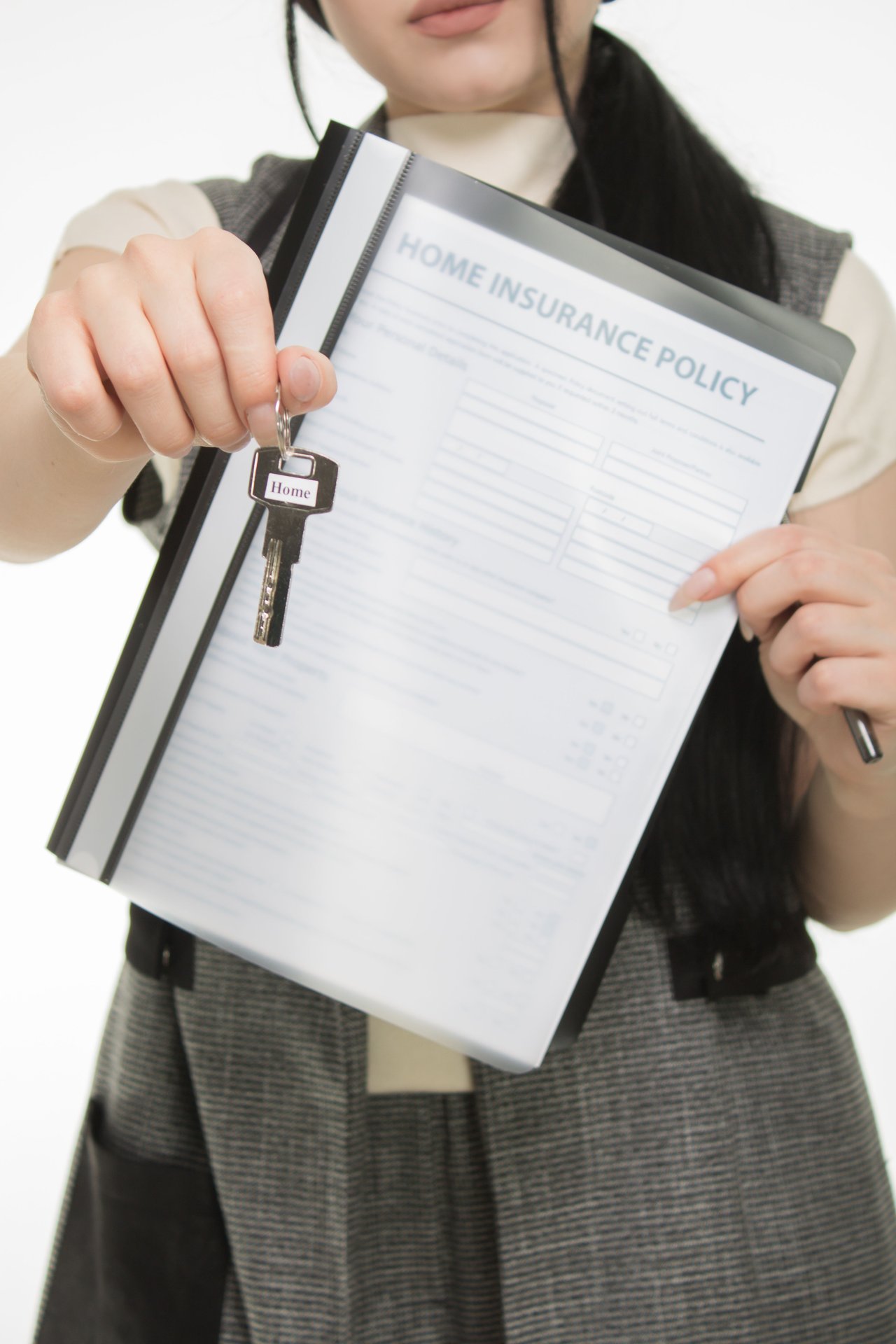
You planned the down payment, reviewed the closing costs and made sure the monthly payment felt comfortable. Then, after moving in, another property-tax bill shows up.
Your first thought might be, “Didn't we already take care of taxes at closing?” Or, “Aren't my taxes included in the mortgage payment?”
Those are reasonable questions. A supplemental property-tax bill is one of the details worth discussing before you buy, not after the envelope arrives. It does not automatically mean someone made a mistake. It does mean you should understand what the bill covers and who is responsible for paying it.
My approach is to plan beyond getting the keys. You want enough room in your budget to settle into the home without an expected expense turning into a stressful surprise.
Why another bill can arrive after closing
In California, a taxable ownership change or completed new construction can trigger a reassessment. The supplemental assessment reflects the difference between the property's new assessed value and its prior assessed value. It applies for a prorated period rather than simply replacing the annual bill. California's property-tax fiscal year runs from July 1 through June 30. California BOE
Think of the annual bill and the supplemental bill as different pieces of the accounting. The annual bill may still reflect an earlier assessment while the county processes the change. San Francisco's Assessor advises new owners to pay the existing bill and keep money available for later adjustments, rather than assuming an initially lower bill represents the final cost. San Francisco Assessor
This is why the seller's tax bill is not a reliable stand-in for your future tax budget. Review the property-specific estimate with the appropriate professionals before deciding what you can comfortably carry.
A simple example of the difference
Here is a hypothetical illustration prepared on 10/28/2026. It is not a county quote or a prediction for a particular home.
Assume the new assessed value is $1,000,000 and the prior assessed value is $600,000. The difference is $400,000. Using an illustrative annual tax rate of 1.1%, the tax on that difference would be $4,400 for a full year. If the applicable proration factor were 0.50, the illustrative supplemental amount would be $2,200.
The actual result depends on the county's assessment, applicable rate and proration. This illustration assumes no exclusions, exemptions or other adjustments. It excludes separate parcel charges and special assessments. It is not a total housing-payment example and does not include mortgage payments, insurance, HOA dues or other ownership costs. San Mateo County explains the basic calculation as the value difference multiplied by the proration factor and tax rate. San Mateo Tax Collector
The useful question is not whether $2,200 sounds large or small. It is whether the money would still be available after moving expenses, furnishings and the first round of repairs.
Taxes in your mortgage payment do not settle the question
An impound or escrow account can make budgeting easier because the mortgage servicer collects money toward certain expenses. But that does not mean every separate tax bill is automatically handled.
Sacramento County's Assessor explicitly cautions owners not to assume their lender will pay a supplemental bill, even when normal property taxes are paid through an impound account. These bills remain the owner's responsibility. Sacramento County Assessor
Before closing, ask your lender or servicer a specific question: “How will supplemental property taxes be handled, and what do I need to pay separately?” After a bill arrives, identify that exact bill when asking for confirmation. A general statement that taxes are escrowed is not enough.
Keep the response with your closing records. If the servicer agrees to handle payment, confirm the amount, timing and eventual payment status. Avoid both an unpaid bill and an unnecessary duplicate payment.
Two bills do not necessarily mean the same charge twice
The timing of the purchase matters. San Mateo County explains that ownership changes from January 1 through May 31 can produce two supplemental bills: one for the remainder of the fiscal year and another for the following fiscal year. San Mateo Assessor
Before treating a second envelope as a duplicate, compare the assessment number, covered period and installment information. If something is unclear, ask the county to explain it. Do not guess based only on similar dollar amounts.
Also, use the dates on the actual bill. San Mateo's Tax Collector explains that supplemental delinquency dates depend on when the bill is mailed. A reminder for the regular annual property-tax bill may not cover this separate obligation. San Mateo Tax Collector
Build a plan before moving day
I would separate this into three conversations.
First, ask the lender what property-tax assumptions were used in your payment estimate. You want to understand the ongoing cost, not just the amount shown on the seller's existing bill.
Second, review closing adjustments with escrow. Ask what each tax-related credit, proration or deposit represents. Keep those explanations rather than assuming every line marked “tax” pays the same obligation.
Third, ask the county's appropriate office about the assessment and billing process for the property. Keep the parcel number, official account link and contact information in one place. Set aside an agreed planning reserve before allocating the rest of your cash to optional projects.
After closing, monitor mail and the official county account. San Mateo warns that supplemental or escape bills can arrive well after escrow closes and that not receiving a bill does not remove payment responsibility. Those are different assessment categories, so ask which applies if the notice is unclear. San Mateo Tax Collector
Questions buyers often ask
Is a supplemental bill my new annual tax bill?
No. It is a separate adjustment. Keep reviewing the regular annual bill as well. The county can identify the period each bill covers.
Should I ignore it if my lender collects taxes?
No. Contact the servicer about that specific bill and verify who will pay it. Do not assume automatic payment.
Can I know the exact amount before buying?
You can prepare an estimate, but the county's assessment and bill control the actual amount. Use the estimate for planning, not as a guarantee.
Who should answer questions about the bill?
Start with the assessor for valuation questions and the tax collector for billing or payment questions. Ask your servicer about impound handling and a qualified tax professional about your personal tax situation.
Buying comfortably means planning past closing
As a former mortgage loan officer and now a real estate agent, I look at both the purchase and the cash you will want afterward. If you are planning a Bay Area move, let's review the questions to bring to your lender, escrow team and county before you commit. A clear plan makes these details easier to manage.
Austin Cheng, Sequoia Real Estate, CA DRE #02050279.
General educational information, not individualized tax or legal advice. Verify your property's assessment, bill and payment arrangements with the responsible professionals.