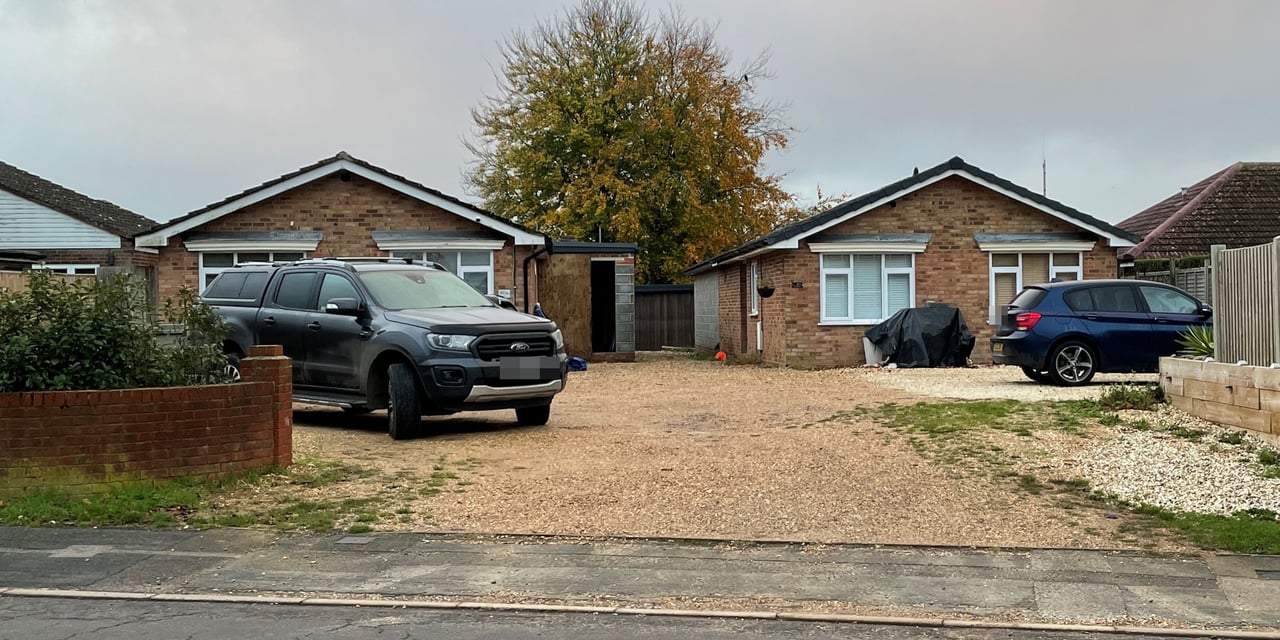
At a showing, a shared driveway may look straightforward. You can see the pavement, the garage and where the cars usually go. The questions I'd want answered are who can use that route, whether you can use it the way you need to, and who takes care of it when something breaks.
If you're buying a home in the Bay Area, start with three things you can compare: the path you see, the documents that describe access and the way you'd use the property every day. Check them early enough to work through discrepancies before your decision deadlines.
Start with the route you would actually use
Stand where the driveway meets the street and trace the route to the garage or parking space. Look at where it narrows, how a car turns in and whether another vehicle can pass when one is stopped. Ask where visitors park and whether there's a gate or a shared opener. If someone in your household needs extra room to get in or out of a vehicle, check what the actual layout allows.
With permission, walk the accessible route and take a few photos from the property you're touring. If an agent points out a turnaround or extra parking spot, mark it on a simple sketch and ask which document covers it. A sketch or online parcel map can help you explain the location when you ask a question. Have a licensed land surveyor check the location of a boundary or easement on the ground if that detail matters to your decision.
Ask for the document behind the driveway
An easement can give someone a limited right to use part of another property for a stated purpose. For a driveway, the right might cover crossing a defined strip to reach a garage. One parcel may benefit from the right, be subject to someone else's right, or both. Ask which situation applies to the parcel you'd be buying. California Department of Real Estate, Title to Real Property
Ask for the current preliminary title report and the complete instrument it references for the driveway. Get the attachments too, including any diagram or legal description, along with later amendments and any separate maintenance agreement. When you see a recording number, ask title for the document with that number. Reading the short entry alone can leave you with the name of the agreement and very little about how it works.
I would put three questions to the title officer in writing.
- Which documents describe access to this parcel and any access others have across it?
- Does the description cover the full route from the street to the place I need to reach?
- How would the proposed owner's title policy treat the access and the exceptions listed in the report?
The preliminary report sets out terms under which the insurer is willing to issue a policy. Ask which interest the proposed policy would insure and what it would exclude. If you need an interpretation of competing documents, disputed rights or obligations, ask a California real estate attorney. California Department of Insurance, Title Insurance
Separate passing through from parking and repairs
Picture an ordinary Saturday. You pull in with groceries while a guest is unloading and someone next door is trying to leave. A document that grants access to travel over a strip may leave open whether you can stop there, let guests park or use part of it to turn around. Find out what the documents say, then compare that with the practical space. I'd also ask about deliveries, moving trucks and gates if they affect how you would use the home.
Get the upkeep questions on the same list. Who can arrange patching or repaving? Who pays for the driveway surface, drainage and a gate motor? Does an agreement describe notice, cost sharing or approval for larger work? Ask the seller for any relevant invoices, notices and information about work already being discussed. If there's no clear written arrangement, ask your agent to help you identify what needs a legal review.
Say you plan to add a gate or change where a vehicle enters. Flag that plan while you can still investigate it. Your team can help you identify questions for a surveyor, attorney and the local permit office. A driveway can serve its current owners well and still be a poor fit for a specific change you want to make.
Put unresolved questions on your transaction calendar
I would keep one short list with the question, the supporting document or photo, who's checking it and when an answer is needed. For example, “Can I turn at the end of the drive without crossing outside the area described in the grant?” is something your team can investigate. “Is the driveway OK?” is a much harder question to answer well.
Review the list with your agent against the terms and dates in your signed agreement. If access, maintenance or a proposed improvement is material to your decision, give the right professional time to review it while you still have options under that agreement.
Frequently asked questions
Does a shared driveway mean both owners own the pavement?
Ownership and use rights can be different. Ask title which parcel includes the pavement and which document gives each property access. For an exact location on the ground, ask a licensed land surveyor.
Can my guests park in the shared driveway?
That depends on the documents and the layout. Ask specifically about visitor parking, stops for loading and turning room. An access right can be limited to passage.
Will I pay half for repaving?
Check the recorded documents and any separate maintenance agreement for cost shares and how work gets approved. If the documents are silent or unclear, ask an attorney what applies to that property before relying on a number.
What if the seller says the neighbors have always worked it out?
Ask what the seller can provide in writing and whether there are any past or pending issues. If the actual practice and the recorded terms differ, have your team investigate what you can rely on as a new owner.
If you're looking at a Bay Area home with shared access, let's talk through the questions to ask before you commit. I can help you connect what you see on the tour with the records your title team will need.
“Shared driveway - Hill Road” by Mr Ignavy via Geograph, CC BY-SA 2.0. Cropped, with plates obscured.