When mortgage rates dip, the first question is usually, “Should I move now—or wait for something better?” The honest answer depends less on predicting the market and more on whether the purchase works under today’s numbers.
Rates can change quickly, and a lower rate does not always create an easier market. Improved financing can bring more buyers back, increase competition, and support higher prices. Waiting may help—but it can also change what you are competing against.
Start with the decision you can control
A good purchase is not defined by getting the lowest rate of the year. It is defined by buying the right home with a payment, reserve level, and time horizon that fit your life.
The goal is not to win a rate forecast. The goal is to create a housing plan that remains comfortable if the forecast is wrong.
Five questions to answer before you wait
- Does the current payment work? Include principal, interest, property taxes, insurance, HOA dues, mortgage insurance, and a realistic maintenance allowance.
- How long do you expect to own the home? Transaction costs and market cycles matter more when your likely holding period is short.
- What would waiting change? Consider down payment growth, rent paid, job plans, family needs, inventory, and possible competition—not rates alone.
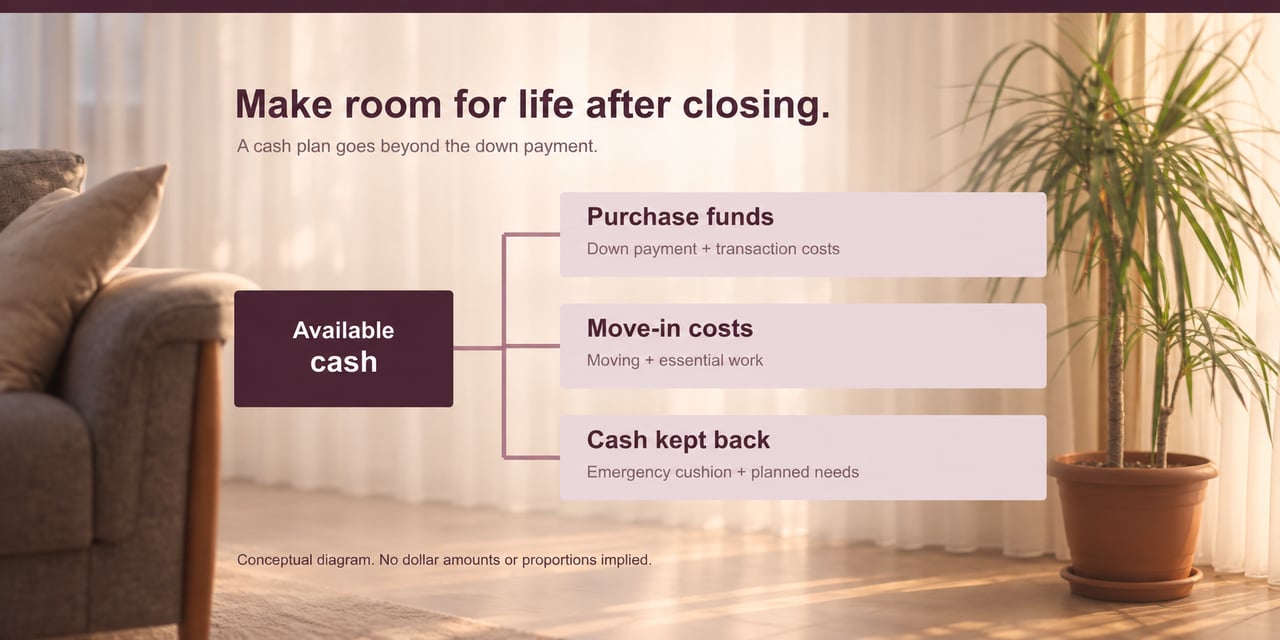
- How much cash should remain after closing? A larger down payment can lower the loan, but reserves may protect the plan and fund future improvements.
- Would you still buy if rates rose again? If the answer is no, your current budget or target price may need adjustment.
Compare scenarios instead of chasing one number
Ask for side-by-side estimates using the same loan amount and assumptions. Compare rate-and-point combinations, lender credits, and—when suitable—fixed-rate and adjustable-rate options. A lower advertised rate can carry higher upfront costs, so calculate how long it would take to recover those costs.
Your credit profile, loan type, down payment, property type, occupancy, and lender all influence the offered rate. The Consumer Financial Protection Bureau provides useful background on how credit can affect mortgage pricing.
For first-time buyers
Clarity is more valuable than perfect timing. Build a payment range, a cash-to-close target, and a reserve goal before touring seriously. That makes it easier to recognize a good opportunity and avoid stretching because a rate headline creates urgency.
For buyers who need to sell
The rate is only one part of the timing puzzle. You may also need a plan for the down payment, overlapping payments, sale contingencies, bridge financing, or temporary housing. The best sequence depends on your equity, income, risk tolerance, and how competitive each side of the move may be.
For sellers
A rate dip can increase buyer activity, but it does not replace correct pricing and presentation. Watch showing traffic, competing inventory, offer quality, and buyer financing. If payment sensitivity is limiting demand, compare the effect of a price adjustment with a seller credit or buydown strategy before deciding.
Austin’s view | Prepare now, decide with evidence
My real estate and mortgage background allows me to help clients connect financing with the property and negotiation strategy. We can model a buy-now scenario, a wait scenario, and a higher-rate stress test—then make a decision based on your goals rather than market noise.
If the current numbers work and the right property appears, you can move with confidence. If they do not, we can identify exactly what needs to change before you are ready.
This article is for general educational purposes and is not financial, tax, legal, investment, or lending advice. Rates, programs, costs, and qualification vary by borrower and lender.