A home sale can close before the seller is ready to hand over the keys. A negotiated period of seller possession after closing—often called a rent-back—may help connect those dates. But it works best when the move-out plan is as carefully considered as the closing itself.
For a San Francisco sale, I would not start with “How many extra days can we get?” I would start with “Where is everyone going, what has to happen first, and what happens if that plan changes?”
This is a possession-planning question, not another financing strategy. If you are still comparing the broader sequence of selling and buying, start with my buy-before-sell guide. Here, the focus is the period after the sale closes and before the buyer receives possession.
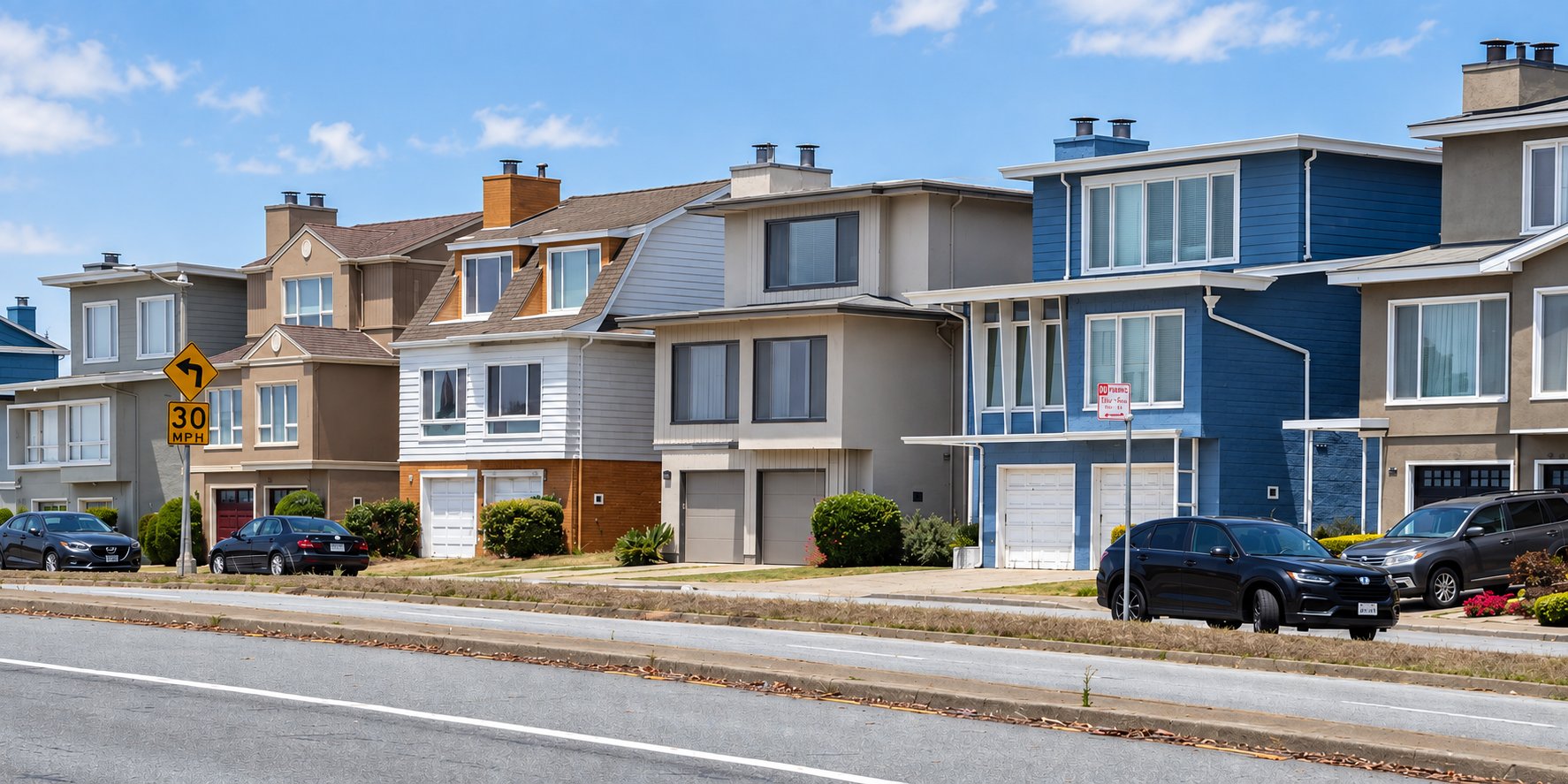
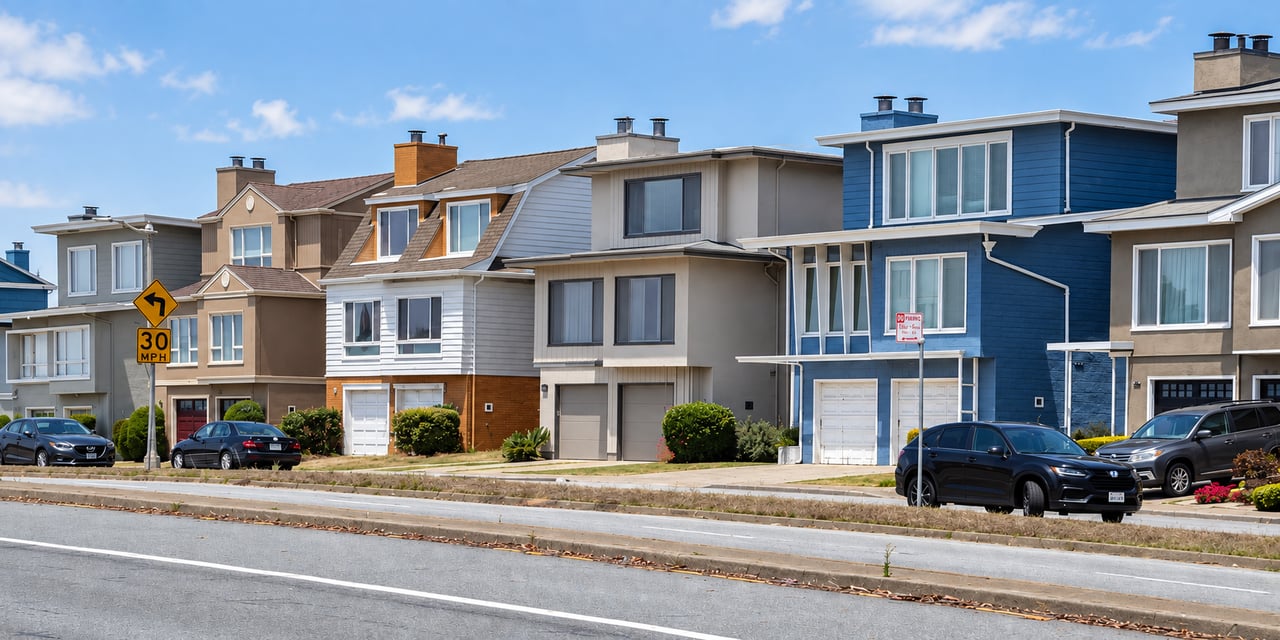
Lakeshore, San Francisco. Original photo by Austin Cheng; AI-enhanced for alignment, lighting and sky.
Put four dates on the same calendar
Separate the closing date, the agreed seller handback date and time, the buyer's intended move-in date, and the date when a backup arrangement must be activated. Those are connected milestones, not interchangeable promises.
Work backward from a realistic handback. The seller needs somewhere to go, a way to move, and enough time to leave the home in the agreed condition. The buyer may have a lease ending, a moving reservation or work scheduled. Neither side should discover the other's hard deadline after closing.
If the seller's next purchase is still pending, ask what happens if that transaction is delayed. “We will request an extension” is not a complete backup plan. An extension may affect the buyer's financing, insurance and housing arrangements, and the buyer may not be willing or able to agree.
Resolve San Francisco occupancy questions before committing
A short stay does not make legal review unnecessary. Do not assume that a particular number of days or the label on a form settles the parties' rights.
The San Francisco Rent Board explains that many residential tenants have eviction protections and recommends legal help for possession disputes. That does not establish that every seller remaining after closing is a tenant—or that every arrangement is exempt. Have a San Francisco real estate attorney review the actual occupancy circumstances and proposed agreement before relying on it.
Existing tenants require a separate conversation. The California Department of Real Estate explains that a voluntary sale does not erase their legal rights. An agreement between buyer and seller is not a shortcut to vacant possession of a tenant-occupied unit.
Confirm the buyer's approvals and both parties' coverage
The buyer should give the proposed possession timeline to the actual lender before committing. Ask how it fits the loan's occupancy representations and documents, and whether written approval is needed. Fannie Mae's occupancy guidance distinguishes principal residences from other occupancy types; a private rent-back agreement does not replace lender review.
Insurance also needs attention on both sides of closing. Tell the insurance professionals who will own and occupy the property, on which dates, and what belongings remain. Ask about the structure, personal property, liability and any required changes in coverage. Do not assume the seller's existing policy simply continues unchanged or the buyer's policy covers everything.
The California Department of Insurance recommends obtaining clarification in writing when coverage is uncertain. For a condo or other association property, also check applicable occupancy and moving requirements with the association.
Turn the agreement into a practical handoff checklist
Before closing, identify who handles utilities, routine care, maintenance requests and access during the stay. Confirm how any occupancy payment and other agreed amounts will be handled. These details belong in the professionally reviewed written arrangement, not scattered text messages.
If a deposit or holdback is proposed, ask the attorney about its treatment and limits, and obtain written confirmation of the escrow holder's role and accepted instructions. Do not assume funds will be withheld or released automatically, or that a holdback guarantees timely possession.
Document the home's condition at the agreed checkpoints. Plan how the parties will review it at handback, return keys and access devices, and communicate unresolved issues. Distinguish these practical steps from any legal remedies if a disagreement arises; those require appropriate professional advice.
Make the San Francisco move feasible
A moving truck needs more than a calendar invitation. Check loading access, the actual street restrictions and any building reservation requirements before finalizing the move.
For temporary tow-away signage, SFMTA currently asks for at least five business days between application and enforcement, excluding legal holidays. Signs must be posted at least 72 hours beforehand in unmetered areas and 24 hours in metered spaces. Port-property requests have a longer minimum: 15 calendar days. Approval is not automatic, and existing parking restrictions still matter.
Moving containers are a different question. SFMTA directs mobile storage-container and Moving POD permit inquiries to San Francisco Public Works. A moving-van reservation is not permission to place a container in the street.
These are current planning checks, not a claim that every move needs the same permit. Verify the requirements for the address and intended equipment before booking around them.
Give the backup plan an owner
Identify who checks the next home's readiness, who confirms the mover, and when an alternative must be reserved. Temporary housing or storage may be options, but availability, cost and practicality should be checked before the deadline becomes urgent.
As a former mortgage loan officer and real estate agent with financing experience, I help connect the transaction timeline with the questions each professional needs to answer. I do not replace your lender, insurance professional or attorney.
Considering a San Francisco sale with time needed after closing? Let's map the handback and backup plan before you commit to dates.
Frequently asked questions
Does closing mean the buyer moves in that day?
Not necessarily. Closing and possession can occur on different dates under the agreed terms. Confirm the exact handback arrangements rather than assuming payment and key delivery happen together.
Is there one safe rent-back length for everyone?
No universal duration resolves the legal, lending and insurance questions. Have the relevant professionals review the actual arrangement and dates; do not rely on an online rule of thumb.
What if the seller's next home is delayed?
Use the backup plan established before closing. Do not assume an extension will be available. Any proposed change needs appropriate review and agreement before anyone relies on it.
Can a seller rent-back resolve an existing tenancy?
Do not treat it that way. Existing tenants have separate rights that a sale does not simply erase. Obtain local legal advice before promising possession or agreeing to an occupancy plan.
Sources accessed September 16, 2026. Austin Cheng, Sequoia Real Estate, CA DRE #02050279.