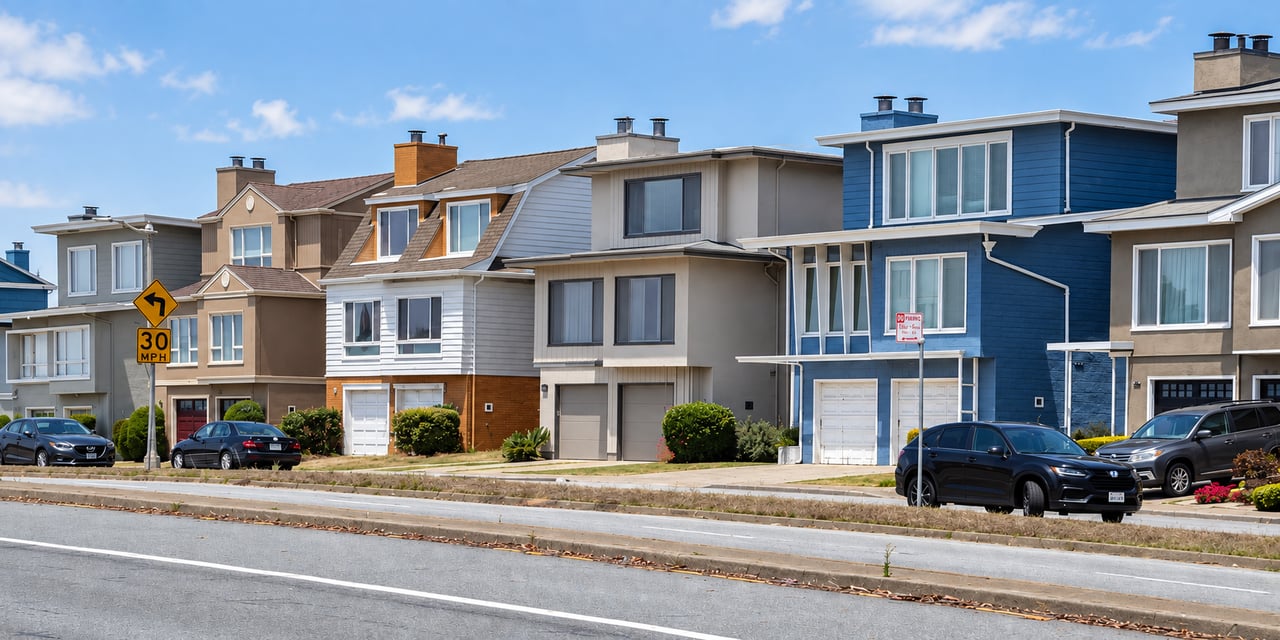
You can walk into two San Francisco homes with similar layouts, similar views, and very different ownership arrangements. One is a condominium. Another is a tenancy-in-common interest, usually called a TIC. A third listing might be a co-op.
Those labels are not just listing details. They change the questions to ask about financing, shared expenses, decision-making, and your options when you eventually sell.
My starting point is simple: understand what you are buying before deciding how much you want to offer. As a real estate agent and former mortgage loan officer, I like to connect the property conversation with the financing conversation early. A home should work for your life and your budget, not just look good during a showing.
Start with ownership rather than appearance
A condominium generally combines a separately owned unit with an interest in common areas. The legal documents define the boundaries and responsibilities. Do not assume the balcony, roof, parking space, or storage area belongs to you in the same way as the interior.
A TIC involves co-owning a property rather than purchasing a separately subdivided condominium unit. In a residential TIC, an agreement commonly assigns occupancy rights and describes how the owners share responsibilities. Have an attorney explain the actual agreement, not just the seller's summary.
A stock cooperative uses another structure. A corporation holds the property, and ownership in that corporation carries occupancy rights. You need to understand both the ownership interest and the agreement governing your use of the home. California DRE real estate law reference
The useful question is not which label sounds best. It is whether the specific ownership arrangement fits the way you intend to live, finance, maintain, and eventually leave the property.
Give your lender the property details early
A preapproval based on your income, assets, and credit is not the same as confirmation that a particular building and ownership structure qualify for that loan.
Send the listing and available ownership documents to your lender before you rely on a financing plan. Ask whether the lender handles that property type, which documents are needed, and what could change the proposed terms. Request a property-specific answer rather than assuming a previous quote carries over.
For a TIC, ask exactly what the proposed loan is secured by and whether it is an individual fractional-interest loan or part of a group financing arrangement. Have the lender and attorney explain the consequences of that structure, including obligations involving other owners. Do not assume every TIC uses the same financing.
For a co-op, ask about share-loan availability and the lender's review of the corporation. Fannie Mae's co-op guidance separately addresses project eligibility and share-loan requirements. A qualified borrower alone does not settle the project question. Those rules describe one financing channel, not every lender's program. Fannie Mae co-op project eligibility
Compare the complete monthly commitment
The listing price is only one part of the comparison. Before choosing between properties, ask for a written breakdown of the mortgage payment, shared charges, property taxes, insurance, and expenses paid separately.
Be careful with labels such as dues or maintenance. Ask what is included. If one charge includes an expense that another property bills separately, adding both can double-count it. Leaving out that expense on the other property can make the comparison look artificially favorable.
For a San Francisco TIC, the Assessor-Recorder explains that the property remains one parcel for tax billing. An individual assessed-value breakdown is not a separate property tax bill. Ask how the owners allocate, collect, document, and pay the shared bill. Confirm your own situation with the appropriate tax professional. San Francisco TIC fact sheet
Then ask a practical question: after the regular bills, will you still have money available for repairs, moving expenses, and surprises? A purchase that uses every available dollar deserves another look, even if the initial payment seems manageable.
Read the rules through the lens of your daily life
Write down what matters to you before reviewing the documents. Perhaps you need reliable parking, expect to work from home, want to make improvements, or may need to relocate later.
Use that list to ask specific questions. What approvals would your planned work require? How is the parking right documented? What restrictions could affect renting the home? How are disagreements handled? Who can authorize a major shared expense?
Request the applicable governing documents, current financial information, insurance information, and available meeting records. Have the right professional interpret anything you do not understand. California DRE emphasizes that ownership obligations and restrictions may not be apparent from physically inspecting a home. DRE guidance on common interest developments
An attractive interior cannot answer these questions. Neither can a friendly conversation at an open house. Keep the answers tied to the actual documents.
Treat possible condo conversion as a separate question
If a TIC is described as having conversion potential, do not build your purchase decision around a promised future condominium.
San Francisco's conversion process has specific requirements and a history of program changes and litigation. Public Works publishes updates, but a general program page does not establish that one property qualifies. Ask qualified counsel and the city to review the specific situation. Do not infer a deadline or guaranteed outcome from a listing description. San Francisco Public Works conversion update
My planning question is straightforward: would this home still make sense if it stayed in its current ownership form? If the answer is no, resolve that concern before committing.
Organize the answers before your offer deadline
Keep one short question list with an owner for each answer. The lender addresses financing. An attorney interprets ownership agreements and legal restrictions. Inspection professionals evaluate condition. An insurance professional explains coverage. Your agent helps keep those conversations connected to your purchase timeline.
Missing information is not automatically a reason to reject the home. It is a reason to understand what remains unresolved before making commitments or changing contingencies.
If you are comparing San Francisco homes, I can help you organize the ownership, financing, and timing questions so you can make a more informed decision. The goal is not to steer you toward one label. It is to help you find a home whose responsibilities you understand and whose costs you can comfortably manage.
Frequently asked questions
Is a TIC the same as a condo?
No. A TIC interest and a condominium unit represent different ownership structures. Similar floor plans do not make their legal documents or financing interchangeable.
Does my mortgage preapproval cover a co-op
Do not assume it does. Ask your lender to confirm the program, your eligibility, and the specific project's acceptability before relying on the preapproval for that purchase.
Is a lower asking price automatically a better deal
No. Compare the total commitment, cash required, shared obligations, financing terms, and unresolved questions. The asking price alone cannot establish value for your situation.
Should I buy a TIC because it may become a condo
Evaluate the property as it exists today. Obtain property-specific professional guidance on any conversion claim rather than treating future approval as part of a guaranteed plan.
Related reading
Building-level condo questions: a related Daly City checklist
Plan cash beyond the down payment
San Francisco seller rent-backs and move timing
Photo: David McElwee / Pexels. Illustrative residential architecture; ownership type is not identified.